
Why empowerment fades as organizations grow
In small organizations, empowerment often exists before anyone has to name it. People see the whole picture, know each other, and can act together quickly. Responsibility becomes part of everyday work. Initiative happens through action, not instruction.
As organizations grow, something often shifts. Shared problem-solving can turn into processes, guidelines, and communication campaigns. What used to be ownership becomes policy. What used to be “we will solve this together” can become “do it this way”.
That does not mean structure is wrong. Growing organizations need clarity, common frames, and reliable ways of working. But when structure starts replacing trust rather than enabling it, empowerment loses its force.
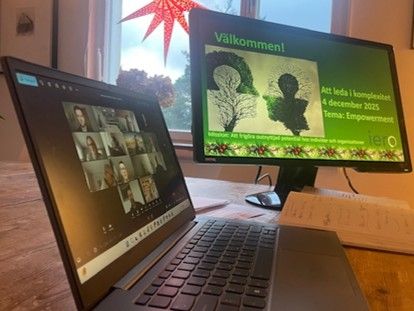
This became clear during the empowerment module in Att leda i komplexitet. Reflections from Stringo, where responsibility and initiative are shaped through practical action, reminded us that empowerment is not created by talking more about responsibility. It is created by building environments where people are willing and able to take it.
For leaders, the challenge is to grow without losing the strengths of the small organization. Make the whole visible. Create frames that give freedom. Listen more than you steer. Build the safety and trust that allow initiative to remain a living part of the culture.
At its core, empowerment is not a method or a policy document. It is about people, relationships, and the courage to trust in shared capability.